North Camp rubbish clearance for tight access properties
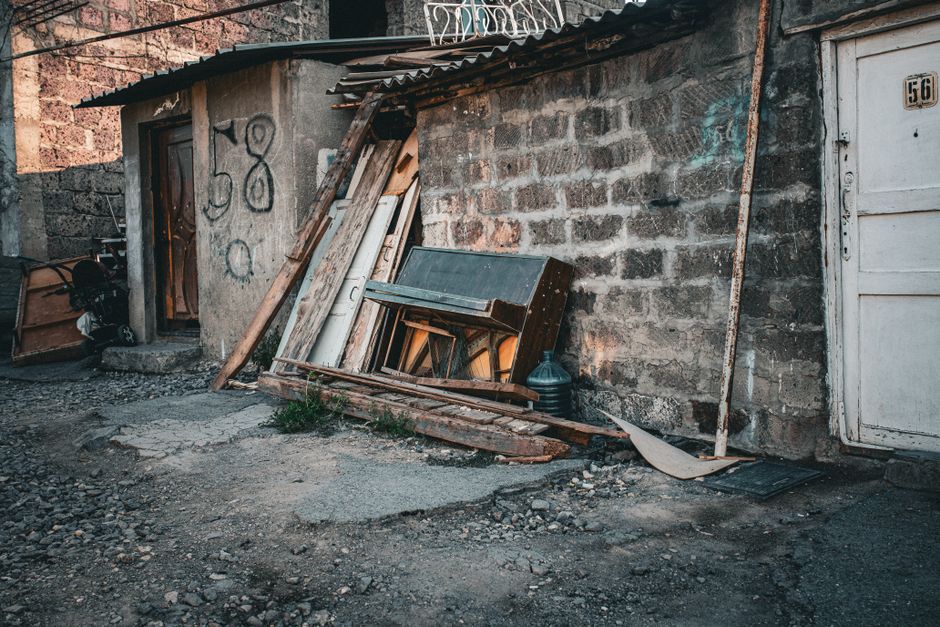
If you live in North Camp and your home, flat, or rental has a narrow path, awkward steps, a shared alley, or barely any turning room at the front, rubbish clearance can feel harder than it should. That is exactly where North Camp rubbish clearance for tight access properties becomes useful: a careful, organised way to remove unwanted items without damaging walls, blocking neighbours, or turning the day into a small chaos-fest.
This guide explains how tight-access clearances work, what to plan for, which mistakes to avoid, and how to get the job done with less stress. Whether you are clearing a cellar, a back garden, a loft, or a basement flat with a stubbornly narrow entrance, you will find practical advice here. And yes, even the awkward bits.
Why North Camp rubbish clearance for tight access properties Matters
Tight access changes everything. A normal clearance can become complicated the moment a van cannot park directly outside, the front path is only just wide enough for one person, or the only route in involves a gate, steps, a courtyard, or a shared passage. In North Camp, that sort of layout is not unusual at all. Older terraces, flats above shops, converted houses, and rear access properties all come with little quirks.
What matters most is not just removing waste, but removing it cleanly and safely. A rushed approach can lead to scuffed plaster, broken bannisters, upset neighbours, and a pile of rubbish sitting half in and half out of the property. Nobody wants that. To be fair, most people only realise the scale of the problem when they are standing there with a sofa that will not fit round the turn on the stairs. It happens.
That is why planning the route, the load size, and the handling method matters so much. Tight-access rubbish clearance is really about solving a space problem before it becomes a time problem.
If you are also comparing wider service options, it can help to look at general waste removal support as well as more specific services such as home clearance, house clearance, or flat clearance, depending on what you are getting rid of.
How North Camp rubbish clearance for tight access properties Works
The process is usually more straightforward than people expect, but the details matter. With tight access properties, the clearance team generally starts by understanding the layout before anything is carried out. That can mean checking stair width, gate clearance, floor levels, parking distance, and whether larger items need to be dismantled before moving.
In practical terms, a good clearance normally follows a simple pattern:
- Assess access - narrow hallways, basement steps, rear lanes, or awkward corners are identified first.
- Estimate the load - the amount and type of rubbish are reviewed, including bulky items and mixed waste.
- Plan the removal route - the safest path in and out is chosen to reduce disturbance and avoid damage.
- Sort items for handling - reusable, recyclable, general waste, and specialist items are separated where possible.
- Load carefully - items are moved in a controlled way, often one at a time or in small batches.
- Clear and tidy - the area is swept through so you are not left with dust, broken bits, or stray packaging.
For very awkward jobs, the clearance may involve taking furniture apart, moving items through internal routes in stages, or using smaller carry loads rather than trying to force one large item through a tight gap. That sounds obvious, but in the moment people often try the big manoeuvre first. Usually a mistake.
If the clearance includes awkward appliances, it is worth checking whether you need a dedicated fridge and appliance removal service or something more general like furniture clearance. The item matters. So does the route out.
Key Benefits and Practical Advantages
The main benefit is obvious: you get the rubbish out without turning your access route into a hazard. But there are several other advantages that often matter just as much.
- Less risk of property damage - careful handling helps protect walls, floors, paintwork, and stair edges.
- Less disruption for neighbours - especially important in shared entrances, terraces, and converted buildings.
- Better time management - a planned route is quicker than improvising every item on the spot.
- Safer moving of bulky items - tight turns and narrow stairs can be tricky with large loads.
- More suitable for mixed waste - good for clearances where you have furniture, bagged rubbish, and leftover household items together.
- Reduced stress - which, honestly, is often the real reason people book the service in the first place.
There is also a sustainability angle. A careful clearance makes it easier to separate items that can be reused or recycled. If that matters to you, it is worth asking about broader recycling habits and responsible disposal through the provider's recycling and sustainability approach.
Expert summary: Tight-access clearance is not about brute force. It is about planning the route, protecting the property, and choosing the right handling method for the items in front of you.
Who This Is For and When It Makes Sense
This kind of clearance is useful for a surprisingly wide range of people. If any of the examples below sound familiar, you are probably in the right place.
- Homeowners with a narrow side passage or back access only
- Landlords dealing with leftover tenant rubbish in a compact property
- Flat owners where items need to come down stairs or through a shared entrance
- Families clearing bulky furniture from a home with restricted hallway space
- People doing a pre-sale tidy-up before photographs, viewings, or renovation
- Small businesses storing waste in cramped internal areas or rear yards
- Anyone who has looked at a sofa, wardrobe, or old appliance and thought: "Right, that is not moving itself."
It also makes sense when the alternative is a skip that cannot be positioned conveniently. In some properties, a skip is fine. In others, it is just not practical. If you are weighing that up, the page on what can go in a skip can help frame the decision, even if the final answer is still a manual clearance.
Think of this as the right solution when access is the limiting factor, not just the amount of rubbish.
Step-by-Step Guidance
If you want the smoothest possible experience, a little preparation goes a long way. Here is a practical way to approach it.
1. Walk the route before anything moves
Look at the actual path items will take. Check door widths, low ceilings, turns, stair landings, gates, and any fragile points like mirrors, skirting, or old plaster. If you can barely carry a box through without turning sideways, that is useful information, not a nuisance.
2. Separate what is staying from what is going
It sounds basic, but in tight spaces clutter hides clutter. Keep items you want to retain clearly out of the removal path. This is especially helpful in lofts, garages, and spare rooms where everything tends to blur together after a while.
3. Flag any bulky or awkward items early
Wardrobes, mattresses, old sofas, fridges, and damaged shelving often need special handling. If a heavy item is likely to snag, tip, or twist on the way out, say so up front. A few extra minutes of planning can prevent a very awkward five-minute struggle.
4. Choose the safest route, not the shortest route
Sometimes the back way is better than the front. Sometimes the stairwell is better than the garden path. Sometimes neither is great, and the team needs to break down the item first. The safest route is usually the smartest one, even if it feels slightly less direct.
5. Allow for loading time
Tight access often means slower loading. That is normal. It does not mean the service is inefficient; it means the job is being done properly. You would not try to rush a piano through a narrow hallway, would you? Well, the same logic applies to a filing cabinet with a grudge.
6. Do a final sweep-through
After the main items have gone, check corners, under shelves, behind doors, and in alcoves. Tiny bits of waste often hide in those places. It is always the last bag, somehow.
Expert Tips for Better Results
A few small choices can make tight-access rubbish clearance much easier.
- Measure before lifting. Door frames, stair widths, and gate openings are often more restrictive than they first appear.
- Photograph the access points. A couple of clear photos can help explain the job quickly and accurately.
- Keep the route well lit. A dim hallway or dark rear yard slows everything down and makes hazards harder to spot.
- Use smaller, manageable loads. One big risky lift is rarely better than two careful ones.
- Protect floors and edges where needed. Cardboard, blankets, or temporary covers can help in vulnerable areas.
- Plan around neighbours and parking. In North Camp, access outside the property can matter almost as much as the inside route.
One practical habit we like is this: clear the route before the team arrives. A hallway that is technically wide enough can become impossible if there are shoes, umbrellas, bikes, and a couple of random bags in the way. You know how it goes.
If your clearance includes office items, paperwork, or storage cupboards, the more specific office clearance page may also be useful. For mixed domestic projects, house clearance often gives the broader picture.
Common Mistakes to Avoid
Tight access jobs are where small mistakes become expensive or annoying very quickly. Here are the ones people run into most often.
- Underestimating the access problem - the rubbish itself may be manageable, but the route out may not be.
- Forcing bulky items through - this is where walls get chipped and people get frustrated.
- Not mentioning stairs or rear access - clear communication saves time and reduces surprises.
- Leaving fragile items in the path - picture frames, lamps, and ornaments are easy to knock accidentally.
- Assuming every item can go the same way - some need dismantling, some need lifting aid, some need specialist disposal.
- Booking only by volume - volume matters, but access matters just as much. Maybe more.
The biggest issue, in truth, is usually not the waste. It is the surprise factor. A job that looks simple at the front door can become difficult once someone realises the real exit is a winding staircase and a narrow side gate. That is why the best results come from describing the access honestly from the start.
Tools, Resources and Recommendations
You do not need specialist gear for every job, but a few sensible tools and resources can make life much easier.
Useful items to have ready:
- Strong bin bags for loose waste
- Label tape or marker pens for keep, donate, and remove piles
- Work gloves for handling rough or dusty items
- Basic dust sheets or floor protection for vulnerable surfaces
- A torch for dark lofts, cupboards, or rear access points
- A tape measure for checking awkward gaps
Useful pages to review before booking:
- pricing and quotes for understanding what affects cost
- book online if you want a quicker start
- insurance and safety for peace of mind around property protection
- about us if you want to understand the company behind the service
For heavy or awkward furniture, the relevant service pages for furniture disposal and mattress and sofa disposal are worth a look. They can help you match the item to the right approach, which is often half the battle.
Law, Compliance, Standards, or Best Practice
For rubbish clearance in the UK, the key thing is to make sure waste is handled responsibly and transferred to a legitimate carrier. That is the general principle people should keep in mind. You do not need to be an expert in waste law to make a sensible choice, but you do want to avoid handing waste to anyone who seems vague about where it is going.
For tight-access properties, best practice also includes safe manual handling, avoiding obstruction of shared areas, and taking care not to damage communal entrances or neighbouring property. If the job involves special items, extra caution is sensible. Some materials need separate handling or more careful disposal decisions, especially where appliances, confidential materials, or potentially hazardous items are concerned.
In practical terms, good practice means:
- being clear about what is being removed
- checking that access is safe and workable
- separating specialist items where appropriate
- respecting neighbours, walkways, and shared entrances
- choosing a provider with a visible approach to safety and responsible disposal
If your waste includes anything sensitive or potentially risky, the dedicated pages for confidential shredding and hazardous waste disposal may be relevant. Not every job needs them, of course, but it is better to recognise the difference early than to guess.
Options, Methods, or Comparison Table
There are a few common ways to deal with rubbish in a tight-access property. The right one depends on the layout, item type, and how much time you want to spend on the job yourself.
| Method | Best for | Pros | Limitations |
|---|---|---|---|
| Manual carry-out clearance | Narrow stairs, small entrances, rear access, mixed household items | Flexible, careful, ideal for awkward routes | Can take longer for very large volumes |
| Skip-based clearance | Properties with easy driveway or roadside access | Useful for ongoing DIY or bulky waste loading | Not always suitable where access is poor |
| Item-specific removal | Single large items such as sofas, mattresses, or appliances | Simple and targeted | Less efficient for full property clearances |
| Full home or flat clearance | End-of-tenancy, downsizing, bereavement, major declutter | Comprehensive and organised | Needs good planning where access is tight |
For many North Camp properties with awkward access, manual carry-out clearance is the most realistic option. It is slower in the abstract, yes, but often faster in reality because it avoids trying to make an unsuitable method fit the building.
Case Study or Real-World Example
Picture a small two-storey property with a narrow front path, a shared side passage, and a loft full of mixed junk after years of "I'll sort that later." Nothing dramatic. Just a very typical British clearing job.
In that kind of scenario, the main challenge is rarely the amount of waste. It is the route. Boxes have to come down from the loft, through a compact hallway, around a tight corner, and out past a gate that only opens so far before brushing the fence. A sofa, naturally, becomes the star of the show because it refuses to turn the corner without a bit of planning.
The sensible approach is to break the job into stages: remove loose bags first, check the route, dismantle anything that can be safely taken apart, and then move the larger pieces once the path is clear. That makes the whole job feel calmer. Less frantic. The dust in the hallway stops being part of the drama.
By the end, the property is clear, the access route is intact, and the customer does not have to spend the weekend apologising to neighbours for a blocked passage. That is the kind of result people want, really.
Practical Checklist
Use this checklist before booking or starting the clearance:
- Confirm the exact items that need removing
- Check whether the route includes stairs, steps, shared entrances, or a narrow alley
- Measure the tightest door, gate, or corner if possible
- Move keep items out of the access path
- Identify any bulky, fragile, or specialist items early
- Decide whether furniture needs dismantling
- Check parking or stopping options near the property
- Tell the provider about any unusual access details
- Ask about recycling, disposal, and safety practices
- Make sure the area is safe, lit, and clear before the team arrives
If you are dealing with a wider household declutter rather than just one or two items, the broader garage clearance, loft clearance, and home clearance services may be relevant to how you plan the work.
Conclusion
North Camp rubbish clearance for tight access properties is all about making difficult spaces manageable. With the right planning, a clear route, and the correct handling method, even an awkward property can be cleared without unnecessary stress. That is the real point here: not force, not guesswork, just a tidy and sensible way to get the job done.
Whether you are clearing a flat with a narrow staircase, a terrace with a skinny side passage, or a cluttered room that has one stubbornly small exit, the key is to treat access as part of the job, not an afterthought. Do that, and everything gets easier. A lot easier.
Get a free quote today and see how much you can save.
And if you are still standing in the doorway looking at that one item that will not budge, take a breath. There is usually a practical way through it, even when it does not look like it at first glance.
Frequently Asked Questions
What counts as a tight access property in North Camp?
A tight access property is any home or building where moving rubbish out is harder than normal because of narrow doors, small hallways, steep stairs, shared entrances, rear lanes, or limited parking. Often it is a mix of those things rather than just one issue.
Can large items still be removed from a narrow house or flat?
Usually yes, although they may need to be carried in stages or dismantled first. Sofas, wardrobes, beds, and appliances are often removable, but the route and item size need checking before anything starts moving.
Is rubbish clearance better than using a skip for tight access?
In many cases, yes. If a skip cannot be placed conveniently or loaded safely, manual rubbish clearance is often the better fit. It is especially useful where the property has narrow access or no easy off-road space.
How do I know if my access is too difficult?
If you are unsure, walk the route with the largest item in mind. If you think "that corner looks a bit grim," it probably is. Photos and measurements help a lot, and the safest answer is to flag any uncertainty early.
Will the clearance team remove rubbish from a loft or basement?
Yes, if access is safe and the route is workable. Loft and basement removals are common in older properties, but they tend to take more planning because stairs, headroom, and turning space can all be limited.
Can you clear mixed waste from a tight alley or rear passage?
Often yes, provided the route is safe and there is enough space to move items out carefully. Mixed waste is common in real clearances, especially after refurbishment, decluttering, or tenancy changes.
What should I tell the provider before booking?
Tell them about stairs, narrow gates, shared entrances, parking restrictions, bulky items, and anything fragile along the route. The more accurately you describe the access, the smoother the job is likely to be.
Do I need to prepare the property before the team arrives?
A little preparation helps a lot. Clearing the path, separating keep items, and making sure the access route is well lit can save time and reduce the chance of damage or delay.
Can old furniture and mattresses be taken away with rubbish clearance?
Yes, usually. Larger furniture and mattresses are common clearance items, although some providers handle them through specific disposal routes. If you have a sofa or bed base, it is worth mentioning that early.
What happens if the access is worse than expected on the day?
The team may need to adjust the method, dismantle items, or split the load into smaller carries. If the access is significantly more difficult than described, extra time may be needed. Honest details beforehand avoid most of that awkwardness.
Is responsible recycling possible with tight access clearances?
Yes, and it should still be part of the process where practical. Careful sorting and proper disposal planning can support reuse and recycling even when the property itself is awkward to access.
How do I choose the right service for my property?
Start with the layout and the items. For a whole house, house clearance may suit you; for a flat, flat clearance may be better; for a few bulky items, a more focused service such as furniture clearance can make more sense.