Commercial Waste Farnborough — Recycling and Sustainability
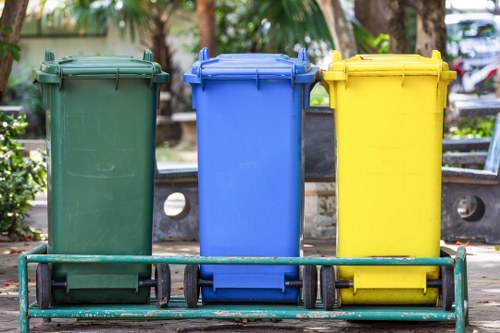 Commercial Waste Farnborough is committed to creating an eco-friendly waste disposal area across the town and surrounding borough. Our approach to managing commercial waste in Farnborough focuses on measurable targets, practical reuse partnerships, and a low-carbon collection fleet. By aligning business collections with the borough's existing waste separation schemes, we make it straightforward for workplaces to contribute to a cleaner town and a greener local economy.
Farnborough commercial waste services emphasise separation at source: paper and cardboard, glass, mixed plastics, food waste, and textiles are each collected or diverted where possible. The borough's approach to waste separation encourages clear, labelled streams so that offices, shops and light industrial units can easily sort recyclables. This reduces contamination rates, increases recycling recovery, and supports our local transfer stations and materials recovery facilities.
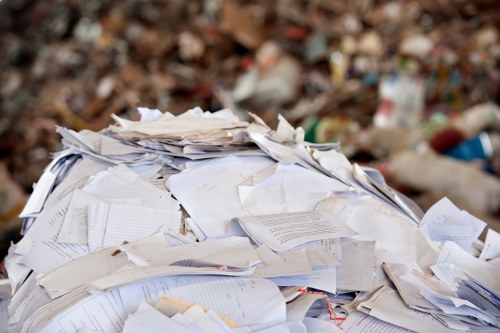 Our recycling percentage target for commercial collections is ambitious: we are working towards a 70% recycling rate for business waste by 2030. This target reflects both national aspirations and local opportunities to divert more waste from landfill through commercial redistribution, enhanced sorting and investment in reuse networks. Achieving the target requires cooperation across the supply chain — from businesses separating waste to hauliers and processing sites accepting clean, sorted loads.
Sustainable Rubbish Area Planning and Local Transfer Stations
To support an effective sustainable rubbish area in Farnborough, we prioritise close integration with nearby transfer stations. Waste collected from commercial premises is taken to local transfer hubs such as the Aldershot transfer facility and regional Materials Recovery Facilities in Hampshire and neighbouring districts. These transfer stations provide the sorting capacity and onward logistics to ensure materials are recycled responsibly and with minimal transport emissions.
Route optimisation minimises vehicle mileage between businesses, transfer stations and end processors. By consolidating pickups and using return loads whenever possible, our fleet reduces empty running, cutting both costs and carbon. These efficiency measures are a key part of creating an eco-friendly waste disposal area that benefits both the environment and local businesses.
![The image depicts four wheeled rubbish bins placed outdoors against a light-colored wall, with the lids open to reveal mixed waste inside. From left to right, the first bin is grey with a red lid, containing various paper, plastic packaging, and small waste items. Next is a grey bin with a red lid, also filled with assorted waste including paper and plastic. The third is a green bin with a matching green lid, partly visible as it contains some waste, possibly recyclable materials. The last is a bright yellow bin with a yellow lid, visibly filled with miscellaneous refuse. To the left of the bins, there are two black plastic trash bags stacked on the ground, appearing full and tied at the top. The setting is a paved outdoor area, possibly part of a commercial or residential property in Farnborough, associated with waste management and rubbish disposal services. The scene illustrates typical waste collection practices, relevant to local rubbish removal operations, with the arrangement emphasizing appropriate bin usage and waste segregation in a professional context related to recycling and sustainability efforts at [POSTCODE] in Farnborough.](/pub/_photos/rubbish/f1341520896.jpg) The Farnborough commercial waste model also includes dedicated drop-off options for problem streams such as WEEE (electronic waste), hazardous small quantities, and construction & demolition arisings. These specialist streams are handled separately to protect the quality of recyclable loads and to meet regulatory requirements for hazardous materials.
The Farnborough commercial waste model also includes dedicated drop-off options for problem streams such as WEEE (electronic waste), hazardous small quantities, and construction & demolition arisings. These specialist streams are handled separately to protect the quality of recyclable loads and to meet regulatory requirements for hazardous materials.
Partnerships with Charities and Reuse Networks
Partnership working is central to creating a thriving sustainable rubbish area. We partner with local charities and national redistribution schemes — for example, food donations are coordinated with networks like FareShare and other food redistribution organisations, while reusable furniture and fittings are connected to community re-use charities or social enterprises. These partnerships help keep valuable items in circulation and out of the waste stream.
Commercial premises can nominate items for direct reuse or donation at the point of collection. Our teams sort and separate viable second‑hand items, arranging transfers to partner charities and social enterprises that refurbish and resell or reallocate goods. This approach supports local employment, social value and reduces the embodied carbon associated with producing new goods.
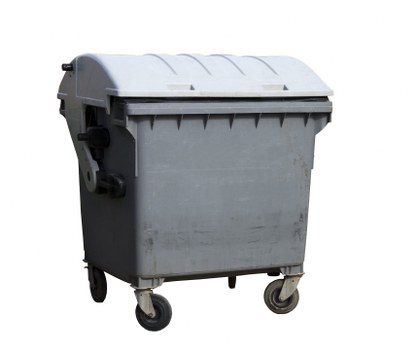 To make participation easy, businesses receive guidance on which materials to divert and how to present donations. A concise, practical instructions list includes:
- Paper and cardboard — flattened and kept dry
- Glass — cleaned and separated by colour where possible
- Plastics — rinsed containers and sorted by type when requested
- Textiles and small WEEE — bagged separately for charity pickup
- Food waste — segregated into dedicated bins for anaerobic digestion
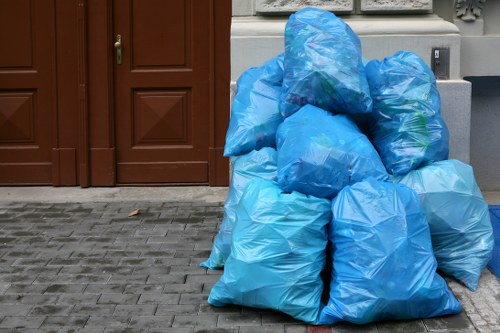 Low-carbon vans are a visible part of our strategy. The fleet includes battery-electric and plug-in hybrid vans, supplemented by modern low-emission diesel (Euro 6) vehicles where range is required. Telematics, driver eco-training and consolidated collection schedules ensure emissions from commercial waste collection in Farnborough are kept to a minimum.
Beyond vehicle choice, we invest in on-site improvements and education to reduce waste generation. Practical steps such as centralised recycling points in business parks, scheduled bulk collections to avoid fly-tipping, and incentives to reduce single-use packaging all support long-term improvements in the borough's waste profile. These actions strengthen Farnborough's reputation for responsible waste management.
Our combined focus — clear recycling targets, efficient links to local transfer stations, strong charity partnerships and a low-carbon van fleet — creates a resilient, sustainable solution for commercial waste in Farnborough. By adopting these measures, businesses help build a greener local economy and a practical, scalable model for other towns aiming to develop an effective, eco-conscious commercial waste ecosystem.
